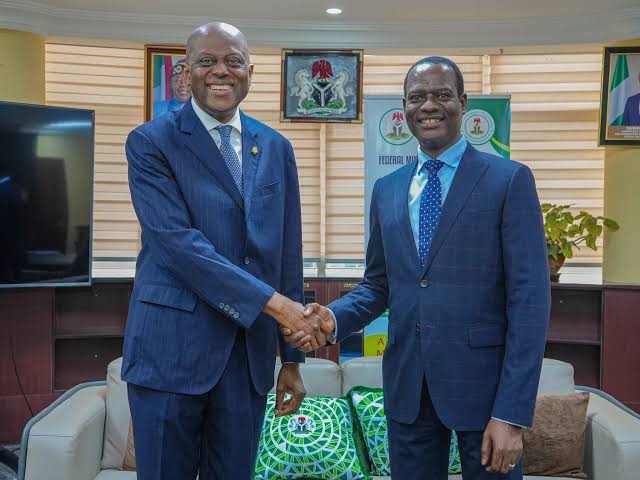
Fidelity Bank: Nneka Onyeali-Ikpe to Retire as Stanley Amuchie Takes Over in January 2027
Fidelity Bank Plc (NGX: FIDELITYBK) has announced a leadership transition, naming its Executive Director, Chief Operations and Information Officer, Stanley Chiedozie Amuchie, as the next Managing Director and Chief Executive Officer.
Amuchie will assume office on January 1, 2027, succeeding Dr Nneka Onyeali-Ikpe, who will retire from the bank’s Board on December 31, 2026, upon completing her contract tenure.
The appointment has received approval from the Central Bank of Nigeria (CBN), while the bank says the Securities and Exchange Commission, Nigeria Deposit Insurance Corporation and Financial Reporting Council of Nigeria have been notified.

The announcement, dated November 19, 2026, marks the beginning of a new leadership chapter for one of Nigeria’s major financial institutions.

Nneka Onyeali-Ikpe’s five-year leadership record
Onyeali-Ikpe became Fidelity Bank’s Managing Director/CEO on January 1, 2021, after joining its Board in 2015 as Executive Director for the Lagos and Southwest Directorate.
During her tenure as CEO, the bank pursued a seven-pillar strategy covering brand refresh, performance discipline, digital transformation, workforce transformation, service excellence, innovation and accelerated growth.
According to the bank’s NGX announcement, these initiatives were accompanied by substantial expansion in its financial and operational indicators between 2020 and 2025.
Financial and operational performance
| Performance indicator | 2020 | 2025 |
|---|---|---|
| Profit before tax | ₦28.1bn | ₦347.7bn |
| Return on average equity | 10.5% | 24.4% |
| Customer deposits | ₦1.699tn | ₦6.891tn |
| Savings deposits | ₦424.4bn | Approx. ₦1.3tn |
| Net loans and advances | ₦1.326tn | ₦4.282tn |
| Customer accounts | Approx. 5.7m | More than 12m |
The bank reported that profit before tax increased from ₦28.1 billion in 2020 to ₦347.7 billion in 2025, representing a five-year compound annual growth rate of 65.4%.
Customer deposits increased by approximately 305.6% over the period, while net loans and advances rose by approximately 223.0%.
Return on average equity improved from 10.5% to 24.4%, an increase of 13.9 percentage points.
Fidelity Bank also stated that it had become the sixth-largest Nigerian bank by 2025.
These figures are based on the bank’s own retrospective performance summary in its leadership-transition announcement. They are not a substitute for a full independent review of the bank’s audited financial statements.
Capital raising and funding milestones
The outgoing CEO’s tenure also included significant capital and funding transactions.
According to the bank:
- Fidelity raised ₦41.213 billion through a 10-year unsecured subordinated local bond in January 2021.
- It issued a US$400 million Eurobond in October 2021 at a coupon of 7.625%. The Eurobond was fully redeemed at maturity in October 2026.
- The bank raised ₦175.85 billion through a combined public offer and rights issue in 2024.
- It raised a further ₦227.045 billion through a private placement in 2025.
The 2024 and 2025 equity transactions generated approximately ₦402.895 billion in allotted proceeds, based on the disclosed amounts.
These transactions strengthened the bank’s funding and capital position, although investors should assess the resulting capital structure, cost of funding and returns on deployed capital through the relevant financial statements.
Stanley Chiedozie Amuchie: Who is Fidelity Bank’s incoming CEO?
Amuchie brings more than 30 years of financial-services experience, covering banking, financial management, operations, technology, treasury, corporate governance and international expansion.
He joined Fidelity Bank in March 2021 as Chief Technical Consultant and became an Executive Director in January 2022.
In his current role as Executive Director, Chief Operations and Information Officer, he has provided strategic direction across the bank’s operations and information technology functions.
His professional background
Arthur Andersen / KPMG Professional Services
He began his professional career in September 1995 at Arthur Andersen, now KPMG Professional Services, where he worked until February 2000.
Zenith Bank Plc
He subsequently spent more than 18 years at Zenith Bank, holding several senior positions. His career there culminated in appointments as Group Chief Financial Officer in July 2015 and Group Zonal Head in June 2018. He left the bank in October 2018.
Mint Financial Technologies
Between April 2019 and February 2021, he served as Chief Technical Consultant at Mint Financial Technologies, now Mintyn Bank.
Fidelity Bank Plc
He joined Fidelity in March 2021 as Chief Technical Consultant and was appointed Executive Director in January 2022.
Major transactions and strategic experience
The bank credits Amuchie with playing significant roles in:
- The acquisition of Union Bank UK, now known as FidBank UK Limited.
- Fidelity Bank’s US$400 million Eurobond transaction in 2021.
- Capital-raising initiatives.
- Enterprise operational efficiency and digital transformation.
- International banking expansion and subsidiary management.
His experience in operations, finance, technology and balance-sheet management will be relevant as Fidelity Bank pursues its next phase of growth.
Academic and professional qualifications
Amuchie holds a First Class degree in Industrial Chemistry from the University of Benin and a Master’s degree in Corporate Governance from Leeds Metropolitan University, now Leeds Beckett University.
He is currently pursuing a PhD in Management of Technology and Innovation at the University of Nigeria, Nsukka.
He is also a Fellow of the Institute of Chartered Accountants of Nigeria and an Honorary Senior Member of the Chartered Institute of Bankers of Nigeria.
His executive development programmes include INSEAD, Harvard Business School, the Wharton School and Lagos Business School.
Fidelity Bank’s share price and shareholder value
The bank’s announcement also highlighted the movement in its share price, from ₦2.52 at the end of 2020 to ₦23.00 on November 18, 2026.
That represents an approximate price appreciation of 813%, calculated from the two disclosed prices.
This is a share-price comparison only. It does not include dividends, transaction costs or inflation and should not be interpreted as total shareholder return.
What the leadership change means for Fidelity Bank
The succession is an internal transition, with the incoming CEO already serving on the bank’s Executive Management Team.
This may support continuity in operations, technology investment, international expansion and strategic execution.
However, the incoming CEO will also face important challenges.
These include sustaining earnings growth, maintaining asset quality, managing the cost of deposits, protecting capital adequacy, improving operational efficiency and delivering returns on the capital raised in recent years.
The bank will also need to maintain customer confidence and shareholder value in a competitive Nigerian banking environment.
The real test of the new leadership will be whether the historical growth achieved under Onyeali-Ikpe can be sustained while strengthening the bank’s long-term financial resilience.
Investor perspective: Five issues to watch
- Earnings sustainability: Can the bank maintain profitability after the significant increase in profit before tax recorded between 2020 and 2025?
- Asset quality: How will management control non-performing loans, credit concentration and impairment costs?
- Capital efficiency: Will the capital raised in 2024 and 2025 generate stronger returns for shareholders?
- Digital transformation: Can operational and technology investments improve customer experience while controlling costs?
- International expansion: What financial contribution will FidBank UK and other international operations make to group earnings?
Investors should assess these questions against Fidelity Bank’s subsequent audited and interim results rather than relying on management expectations alone.
Conclusion
Fidelity Bank’s appointment of Stanley Chiedozie Amuchie marks a significant leadership transition following five years of expansion under Nneka Onyeali-Ikpe.
The outgoing CEO leaves behind a period characterised by higher profit before tax, deposit growth, increased lending, a larger customer base and major capital-raising transactions.
The incoming CEO takes responsibility for sustaining that progress while navigating the changing Nigerian banking environment.
For shareholders, customers and the wider financial market, attention now turns to January 1, 2027, when Amuchie officially assumes the role of Managing Director/CEO.
The next chapter will be measured not only by the bank’s ability to grow, but by the quality, sustainability and efficiency of that growth.
COMPANY: Fidelity Bank Plc
NGX TICKER: FIDELITYBK
OUTGOING MD/CEO: Dr Nneka Onyeali-Ikpe
INCOMING MD/CEO: Stanley Chiedozie Amuchie
RETIREMENT DATE: December 31, 2026
NEW CEO EFFECTIVE DATE: January 1, 2027
CBN APPROVAL: Confirmed
SOURCE DATE: November 19, 2026
PUBLICATION DATE: November 20, 2026
Primary source: Fidelity Bank Plc, Notice of Impending Board Changes and Appointment of Successor Managing Director/Chief Executive Officer, filed with NGX on November 19, 2026.
MyReapMoney.com | Your Company’s Best Adviser
Editorial note: Historical financial and operational figures in this article are those reported by Fidelity Bank in its succession announcement. They have not been presented as new 2026 financial results. This article is for information and market education, not inve approximately ₦402.895 billion in allotted proceeds, based on the disclosed amounts.These transactions strengthened the bank’s funding and capital position, although investors should assess the resulting capital structure, cost of funding and returns on deployed capital through the relevant financial statements.Stanley Chiedozie Amuchie: Who is Fidelity Bank’s incoming CEO?Amuchie brings more than 30 years of financial-services experience, covering banking, financial management, operations, technology, treasury, corporate governance and international expansion.He joined Fidelity Bank in March 2021 as Chief Technical Consultant and became an Executive Director in January 2022.In his current role as Executive Director, Chief Operations and Information Officer, he has provided strategic direction across the bank’s operations and information technology functions.His professional backgroundArthur Andersen / KPMG Professional ServicesHe began his professional career in September 1995 at Arthur Andersen, now KPMG Professional Services, where he worked until February 2000.Zenith Bank PlcHe subsequently spent more than 18 years at Zenith Bank, holding several senior positions. His career there culminated in appointments as Group Chief Financial Officer in July 2015 and Group Zonal Head in June 2018. He left the bank in October 2018.Mint Financial TechnologiesBetween April 2019 and February 2021, he served as Chief Technical Consultant at Mint Financial Technologies, now Mintyn Bank.Fidelity Bank PlcHe joined Fidelity in March 2021 as Chief Technical Consultant and was appointed Executive Director in January 2022.Major transactions and strategic experienceThe bank credits Amuchie with playing significant roles in:The acquisition of Union Bank UK, now known as FidBank UK Limited.Fidelity Bank’s US$400 million Eurobond transaction in 2021.Capital-raising initiatives.Enterprise operational efficiency and digital transformation.International banking expansion and subsidiary management.His experience in operations, finance, technology and balance-sheet management will be relevant as Fidelity Bank pursues its next phase of growth.Academic and professional qualificationsAmuchie holds a First Class degree in Industrial Chemistry from the University of Benin and a Master’s degree in Corporate Governance from Leeds Metropolitan University, now Leeds Beckett University.He is currently pursuing a PhD in Management of Technology and Innovation at the University of Nigeria, Nsukka.He is also a Fellow of the Institute of Chartered Accountants of Nigeria and an Honorary Senior Member of the Chartered Institute of Bankers of Nigeria.His executive development programmes include INSEAD, Harvard Business School, the Wharton School and Lagos Business School.Fidelity Bank’s share price and shareholder valueThe bank’s announcement also highlighted the movement in its share price, from ₦2.52 at the end of 2020 to ₦23.00 on November 18, 2026.That represents an approximate price appreciation of 813%, calculated from the two disclosed prices.This is a share-price comparison only. It does not include dividends, transaction costs or inflation and should not be interpreted as total shareholder return.What the leadership change means for Fidelity BankThe succession is an internal transition, with the incoming CEO already serving on the bank’s Executive Management Team.This may support continuity in operations, technology investment, international expansion and strategic execution.However, the incoming CEO will also face important challenges.These include sustaining earnings growth, maintaining asset quality, managing the cost of deposits, protecting capital adequacy, improving operational efficiency and delivering returns on the capital raised in recent years.The bank will also need to maintain customer confidence and shareholder value in a competitive Nigerian banking environment.The real test of the new leadership will be whether the historical growth achieved under Onyeali-Ikpe can be sustained while strengthening the bank’s long-term financial resilience.Investor perspective: Five issues to watchEarnings sustainability: Can the bank maintain profitability after the significant increase in profit before tax recorded between 2020 and 2025?Asset quality: How will management control non-performing loans, credit concentration and impairment costs?Capital efficiency: Will the capital raised in 2024 and 2025 generate stronger returns for shareholders?Digital transformation: Can operational and technology investments improve customer experience while controlling costs?International expansion: What financial contribution will FidBank UK and other international operations make to group earnings?Investors should assess these questions against Fidelity Bank’s subsequent audited and interim results rather than relying on management expectations alone.ConclusionFidelity Bank’s appointment of Stanley Chiedozie Amuchie marks a significant leadership transition following five years of expansion under Nneka Onyeali-Ikpe.The outgoing CEO leaves behind a period characterised by higher profit before tax, deposit growth, increased lending, a larger customer base and major capital-raising transactions.The incoming CEO takes responsibility for sustaining that progress while navigating the changing Nigerian banking environment.For shareholders, customers and the wider financial market, attention now turns to January 1, 2027, when Amuchie officially assumes the role of Managing Director/CEO.The next chapter will be measured not only by the bank’s ability to grow, but by the quality, sustainability and efficiency of that growth.—COMPANY: Fidelity Bank PlcNGX TICKER: FIDELITYBKOUTGOING MD/CEO: Dr Nneka Onyeali-IkpeINCOMING MD/CEO: Stanley Chiedozie AmuchieRETIREMENT DATE: December 31, 2026NEW CEO EFFECTIVE DATE: January 1, 2027CBN APPROVAL: ConfirmedSOURCE DATE: November 19, 2026PUBLICATION DATE: November 20, 2026Primary source: Fidelity Bank Plc, Notice of Impending Board Changes and Appointment of Successor Managing Director/Chief Executive Officer, filed with NGX on November 19, 2026.MyReapMoney.com | Your Company’s Best AdviserEditorial note: Historical financial and operational figures in this article are those reported by Fidelity Bank in its succession announcement. They have not been presented as new 2026 financial results. This article is for information and market education, not inve